

24 Divided By 3 4
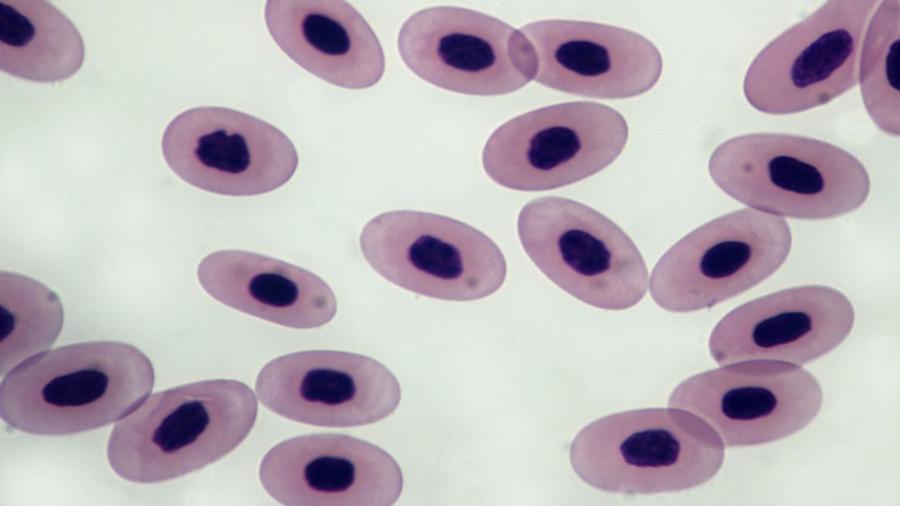
Cells divide for reproduction, replacement of lost or dead cells and to promote growth. Prison cell division is necessary for survival. There are two methods to accomplish cell division, known every bit mitosis and meiosis.
Cell Reproduction
All living organisms experience prison cell partitioning as a part of survival. This includes plants, animals, bacteria and fungi. Reproduction is the oldest, and perhaps the simplest, reason cells divide. In reproductive fission, one cell typically grows larger than usual, duplicates its organelles and whatsoever internal structures, and then divides into two nearly identical cells. Bacteria, for example, utilise binary fission for cell sectionalisation to reproduce and multiply. Among microbes, this process, which is referred to as mitosis, is 1 of the nearly mutual means for reproduction. In multicellular organisms, such as plants and animals, cells undergo a special course of jail cell division known as meiosis.
Replacement of Dead or Lost Cells
Plant and fauna cells also separate for reasons related to the needs of the organism. When a skin cell is damaged, for example, the cells near the site of the harm often divide as a mode of replacing the lost tissue. Through a serial of half dozen phases, mitosis takes on the of import job of replacing these dead or lost cells. This is the repairing mechanism for the tissues that need mending. Basically, an injury to tissue stimulates growth factors in an extracellular matrix (ECM). This ECM contains the necessary biological programming to perform the repairs. Kind of like a first assist kit, the ECM uses water, essential minerals and compounds to assist in the healing process. Once the ECM takes over, the cell typically stops dividing. Even so, sometimes over-exposure or genetics tin can cause this to get out of control, causing a mutation. A mutation in human being bodies can exist caused by external exposure to excess sunlight, pollution, cigarette fume and other toxins. It can also exist caused internally by errors that happen within the DNA-copying procedure, which is sometimes based on genetics.
Growth Through Cell Division
Prison cell division actually produces new cells for growth. Think of an athlete who breaks downwardly muscle tissues and fibers through exercise. The tissues and cells repair and create new growth. Therefore, the muscles gain force with new cells. This breakdown of tissue and replacement with new cells is part of a prison cell bicycle. The longer someone lives and the larger his or her size is, the more cells he or she volition take within his or her torso. Sure cells are in constant growth mode, including skin cells. Because these skin cells are shed, they have to be replaced. As many as 50 1000000 pare cells are shed daily, according to biologists. Other cells, including nerve and brain cells, do not crave as much cell division. A built-in control organisation within the torso keeps this cellular growth in check. Information technology knows when to make new cells and when to stop producing them. Occasionally, in that location is a glitch in the cellular-division system. In the effect that a cell continually divides and makes more than is needed, cancer cells can develop, leading to disease. The cell-division process has to keep a balance to remain salubrious.

24 Divided By 3 4,
Source: https://www.reference.com/science/three-reasons-cells-divide-476b89095e5306f0?utm_content=params%3Ao%3D740005%26ad%3DdirN%26qo%3DserpIndex&ueid=6aa46eca-dedb-4106-a6f5-f744cb5344ba
Posted by: blueseentiourcio.blogspot.com
0 Response to "24 Divided By 3 4"
Post a Comment